

Masterclass
Trailers
Monsieur Ibrahim et les Fleurs du Coran
x (x)
x (x)
x (x)
x (x)
x (x)
x (x)
View all trailers
The Two Kingdoms
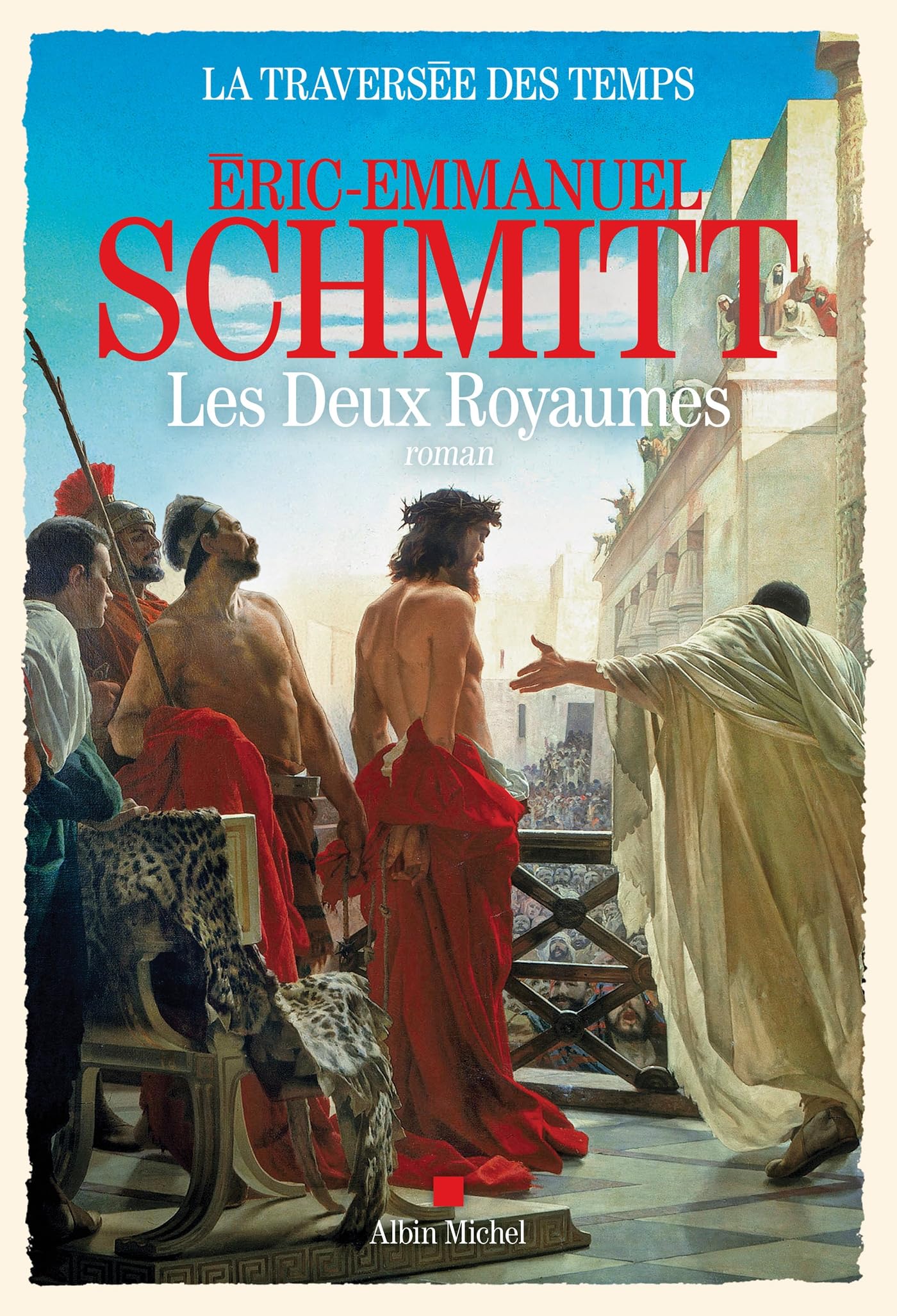
Mistletoe-gathering; an elixir of youth that smacks unmistakably of Gaul; druids meeting under spreading oaks… Noam stares in wonder at the fabulous Celtic world when he turns up in Gaul. But before long, invaders of a very different kind burst on to the scene: the Romans arrive to upset the balance of powers.
From Spartacus, that legendary figure of hope and revolt who challenged the Roman Republic, to the Emperor Augustus and his wife Livia, Rome’s new masters have grasped the reins by means of suspicious deaths and unsolved crimes. Noam looks on bewildered at the appearance of a limitless concentration of power.
Far away in Jerusalem, meanwhile, a man named Jesus is talking a very different language from the Romans. Preaching equality among men, he opens up a radically new horizon and offers infinite hope. Two “kingdoms” play out: one earthly and hegemonic, the other celestial and accessible to all. Between these two conceptions of the world, which kingdom will Noam choose?
In a swashbuckling novel that wears its learning lightly, Eric-Emmanuel Schmitt takes on several fascinating civilisations and presents two visions of the human condition still in contest to this day albeit in a different guise.
About La Traversée des Temps (Crossing Time)
Eric-Emmanuel Schmitt has set himself a mammoth task: to use fiction to tell the history of humanity, to teach history by telling stories. Yuval Noah Harari meets Alexandre Dumas!
Drawing on an extraordinarily wide range of disciplines – history, the sciences, religion, medicine and philosophy – this epic saga describes the journey of Noam, who discovers that he’s immortal, a characteristic that’s a curse and a gift in equal measure.
Each of the novels in this vast undertaking is pinned to a decisive age in human history and can be read independently of the others:
- Paradis perdus (Paradise Lost – the end of the Neolithic and the Flood)
- La Porte du ciel (Heaven’s Gate– Babel and Mesopotamian civilisation)
- Soleil sombre (The Sun Goes Down – Egypt under the Pharaohs and Moses)
- La Lumière du bonheur (The Light of Happiness – Greece in the fourth century BCE)
La Rivale
“Maria Callas? You wait, she’ll soon have sunk into obscurity...”
Who said that? A certain Carlotta Berlumi. The name of this mysterious old woman means nothing to anyone, and yet she insists she had her moment of fame at La Scala and that she was Maria Callas’ greatest rival. She’d have us believe that the Greek diva used ruse and wiles to suppress her, but Berlumi got her own back and hastened her downfall.
Does Carlotta take her desires for reality? Did she, in Callas, find the scapegoat for her failures, the magic answer for her disappointments and frustrations?
Taking as his starting point this quirky, unforgettable character, Eric-Emmanuel Schmitt brings his peerless wit and sense of mischief to fill out the portrait of a little-known Maria Callas. And, as an expert on music and the intricacies of the soul, he invites us backstage to discover the secrets of the opera house and the human heart.
The Challenge of Jerusalem
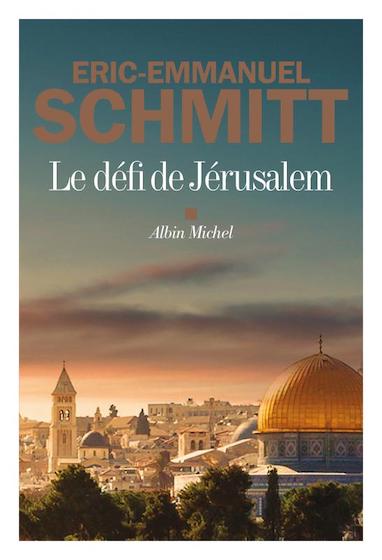
Walking where it all began
In Night of Fire, Eric-Emmanuel described his mystical experience in the Ahaggar Desert. Now, he returns to first origins, with a memoir of his trip to the Holy Land, a territory indelibly marked by the imprint of History. Bethlehem, Nazareth, Caesarea: intense and cosmopolitan places which he captures on the instant, at the same time deepening his spiritual experience and prompting new questions, reflections, sensations and wonderment, until the final surprise in Jerusalem and an unexpected encounter with a man he calls “The Enigma”.